Platform comparison
| Platform | YES odds | NO odds | Fee | KYC | Settlement | |
|---|---|---|---|---|---|---|
Polymarket Legit? Pick polygram.ink |
10% | 90% | 0% (USDC on-chain) | No-KYC up to $1,500 | USDC, auto via UMA oracle | Open on Polymarket Legit? → |
Polymarket polymarket.com |
10% | 90% | 0% | Geo-blocked in US/UK/EU | USDC, on-chain | Open on Polymarket Legit? → |
Kalshi kalshi.com |
— | — | Up to 7% per trade | US-only, KYC required | USD | Open on Polymarket Legit? → |
Betfair Exchange betfair.com |
— | — | 2-5% commission | Full KYC from first trade | GBP / EUR | Open on Polymarket Legit? → |
Manifold Markets manifold.markets |
— | — | Play-money (mana) | None — play-money | Mana (no cash-out) | Open on Polymarket Legit? → |
Live odds for Polymarket-based markets come from the Polygon order book. Non-Polymarket venues show attributes only; clicking any row opens the market on Polymarket Legit?.
Active sub-markets
Market context
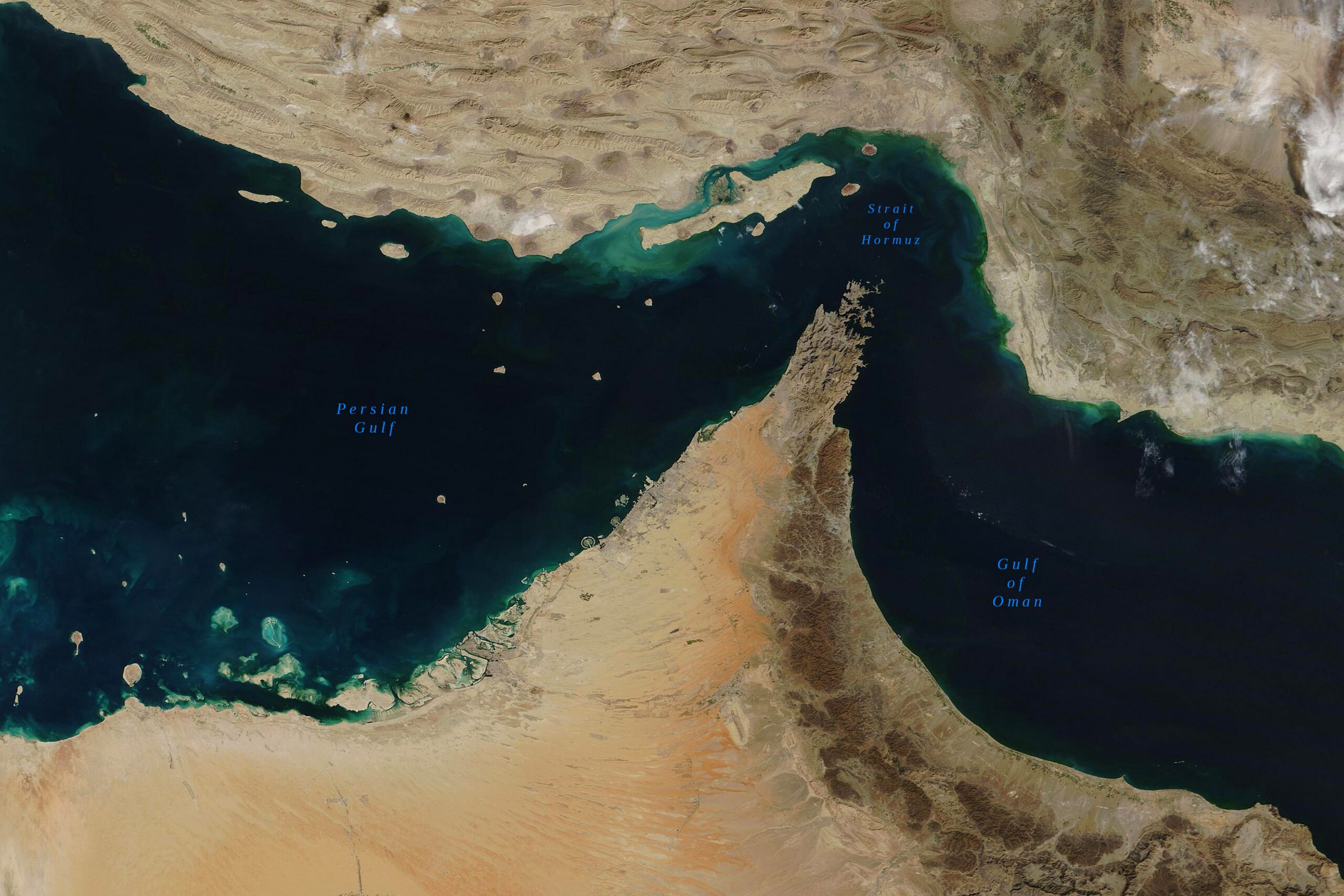
The Strait of Hormuz remains one of the world's most critical maritime chokepoints, with roughly one-fifth of global oil transit passing through its waters daily. This market asks whether a single day will see ship arrivals at the strait exceed a specified threshold by end-May 2026. Polymarket currently prices YES at 13 cents per USDC token on Polygon, implying traders assess a low probability of the threshold being breached during the eighteen-month window. The resolution hinges entirely on IMF Portwatch data—a daily publication tracking container, tanker, bulk, and general cargo vessel arrivals—meaning the outcome depends on observable maritime traffic rather than geopolitical interpretation.
Historical transit volumes through Hormuz averaged 21–23 daily arrivals pre-pandemic, with peaks exceeding 30 during periods of elevated regional tension or seasonal shipping cycles. The 2022 spike in energy prices and subsequent volatility in Gulf shipping patterns established that thresholds above 25–28 daily arrivals remain achievable but require either sustained demand surges or temporary disruptions that redirect traffic. Current market pricing suggests the specified threshold sits materially above typical recent daily figures, making the 13% probability consistent with traders viewing it as an outlier event rather than baseline expectation.
Traders monitoring this contract should track crude oil price movements, which drive tanker scheduling, and geopolitical developments affecting Iranian sanctions or regional stability—both factors that historically compress or expand Hormuz traffic within days. Port congestion reports from major Gulf terminals and shipping index data from Baltic Exchange publications will signal whether conditions favour elevated transit days. The IMF Portwatch publication schedule is consistent and publicly available, eliminating ambiguity around settlement mechanics once threshold data publishes.
Methodology
This page reviews Will 2026 ships transit the Strait of Hormuz on any day by May 31? across five venues. We show live odds for Polymarket-based markets (sourced from the Polygon order book); for other venues we list platform attributes, since the comparable contracts are not exposed via a public API on every venue. Every CTA points at Polymarket Legit? — the application we operate, where you trade directly against the Polymarket order book at 0% fees.
Resolution & payout
At resolution the UMA oracle takes over: a proposer posts the outcome with a bond, any token holder can dispute within two hours. Without dispute the result is accepted and the smart contract distributes USDC instantly.
On Kalshi (CFTC-regulated) resolution runs through their in-house clearing engine in USD. Betfair Exchange settles after match end in the account's local currency. Manifold pays no cash — only its in-platform "mana" currency.
FAQ
- Is this market available outside the US?
- Polymarket Legit? is available in most jurisdictions where Polymarket isn't directly accessible. Polymarket itself is geo-blocked in the US/UK/EU. Always check local regulations.
- How does resolution work?
- Through the UMA Optimistic Oracle on Polygon: a proposer submits the outcome, a two-hour challenge window opens, and USDC payouts settle automatically once the result is final.
- What's the difference between YES and NO shares?
- A YES share pays $1.00 if the event happens, $0 otherwise. A NO share pays $1.00 if the event doesn't happen. The market price between 0¢ and 100¢ is the implied probability.
- What does it cost to trade on Polymarket Legit??
- Zero. Polymarket Legit? routes every order to the live Polymarket order book; the only cost is the Polygon network fee, typically under $0.01 per transaction.
- How reliable are the quoted odds?
- The YES/NO percentages are the live mid-prices of the Polymarket order book. On deep markets they move every few seconds; on thinner ones you'll see short plateaus.
%22%2F%3E%3Cpath%20d%3D%22M%206%2066%20A%2026%2026%200%200%201%2058%2066%22%20fill%3D%22%23E6B98D%22%20opacity%3D%220.9%22%2F%3E%3Ccircle%20cx%3D%2232%22%20cy%3D%2226%22%20r%3D%2222%22%20fill%3D%22%23F5CBA7%22%2F%3E%3Cpath%20d%3D%22M%2010%2026%20A%2022%2028%200%200%201%2054%2026%22%20fill%3D%22%2354a9eb%22%20opacity%3D%220.9%22%2F%3E%3C%2Fsvg%3E) and
and%22%2F%3E%3Cpath%20d%3D%22M%206%2066%20A%2026%2026%200%200%201%2058%2066%22%20fill%3D%22%23E6B98D%22%20opacity%3D%220.9%22%2F%3E%3Ccircle%20cx%3D%2232%22%20cy%3D%2226%22%20r%3D%2222%22%20fill%3D%22%23F5CBA7%22%2F%3E%3Crect%20x%3D%2210%22%20y%3D%224%22%20width%3D%2244%22%20height%3D%2214%22%20rx%3D%227%22%20fill%3D%22%2354a9eb%22%20opacity%3D%220.9%22%2F%3E%3Crect%20x%3D%228%22%20%20y%3D%2218%22%20width%3D%228%22%20%20height%3D%2218%22%20rx%3D%224%22%20fill%3D%22%2354a9eb%22%20opacity%3D%220.7%22%2F%3E%3Crect%20x%3D%2248%22%20y%3D%2218%22%20width%3D%228%22%20%20height%3D%2218%22%20rx%3D%224%22%20fill%3D%22%2354a9eb%22%20opacity%3D%220.7%22%2F%3E%3C%2Fsvg%3E)
Trade Will 2026 ships transit the Strait of Hormuz on any … on Polymarket Legit?
Live order book, 0% fees, USDC settlement in seconds.
Trade on Polymarket Legit? →